

Description:
This two-part lesson explains why permanency is vital for a child’s brain development and emotional healing, highlighting how instability can cause lasting harm through toxic stress. It also shows how direct care staff play a key role in supporting permanency by providing consistent, trauma-informed care that builds trust and stability.
v2026.2
Course Content
Lesson 1: The Child’s Brain and the Need for Permanency
Lesson Content
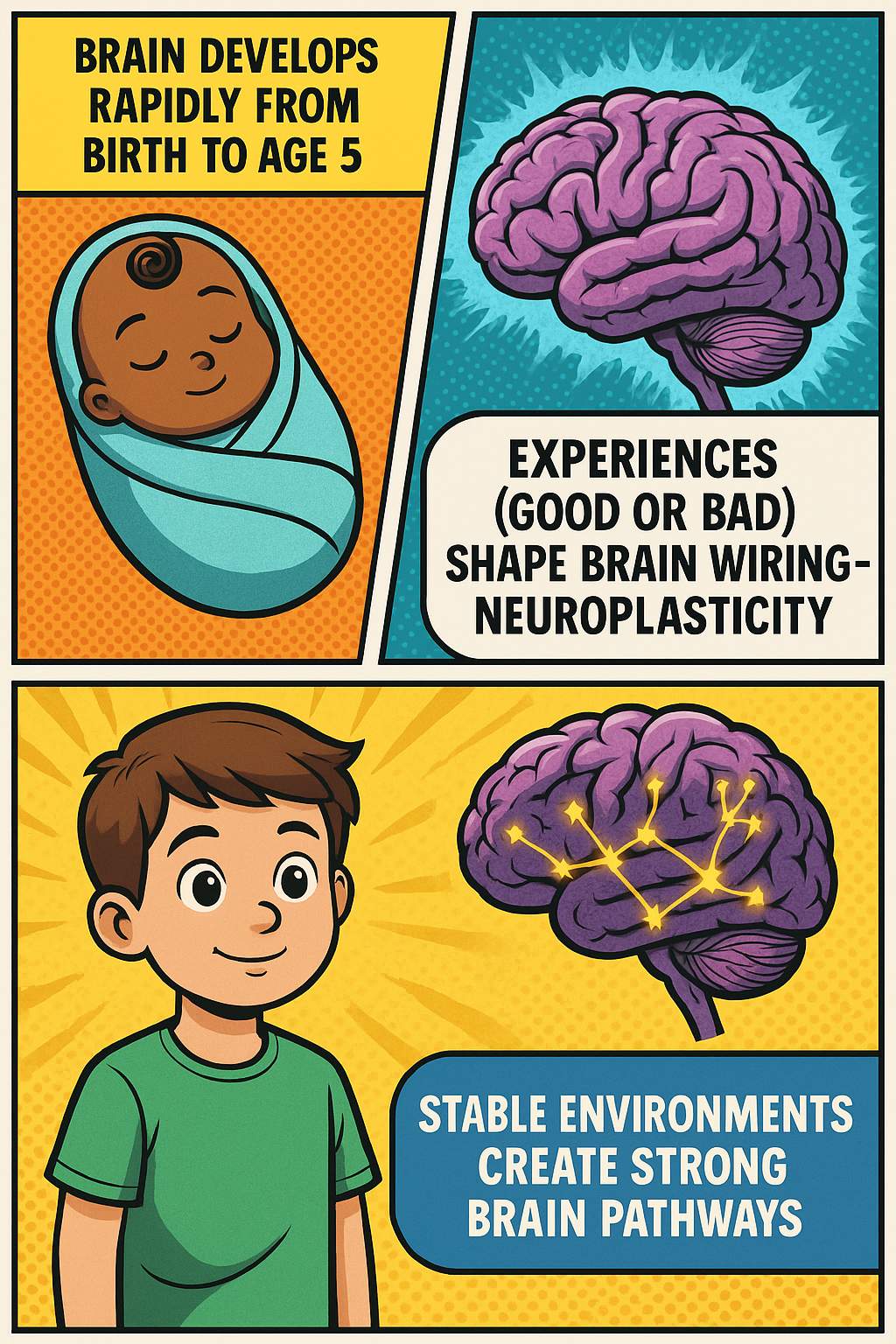
Explain how early brain development is shaped by experience and relationships.
Define neuroplasticity and how the brain adapts in both safe and unsafe environments.
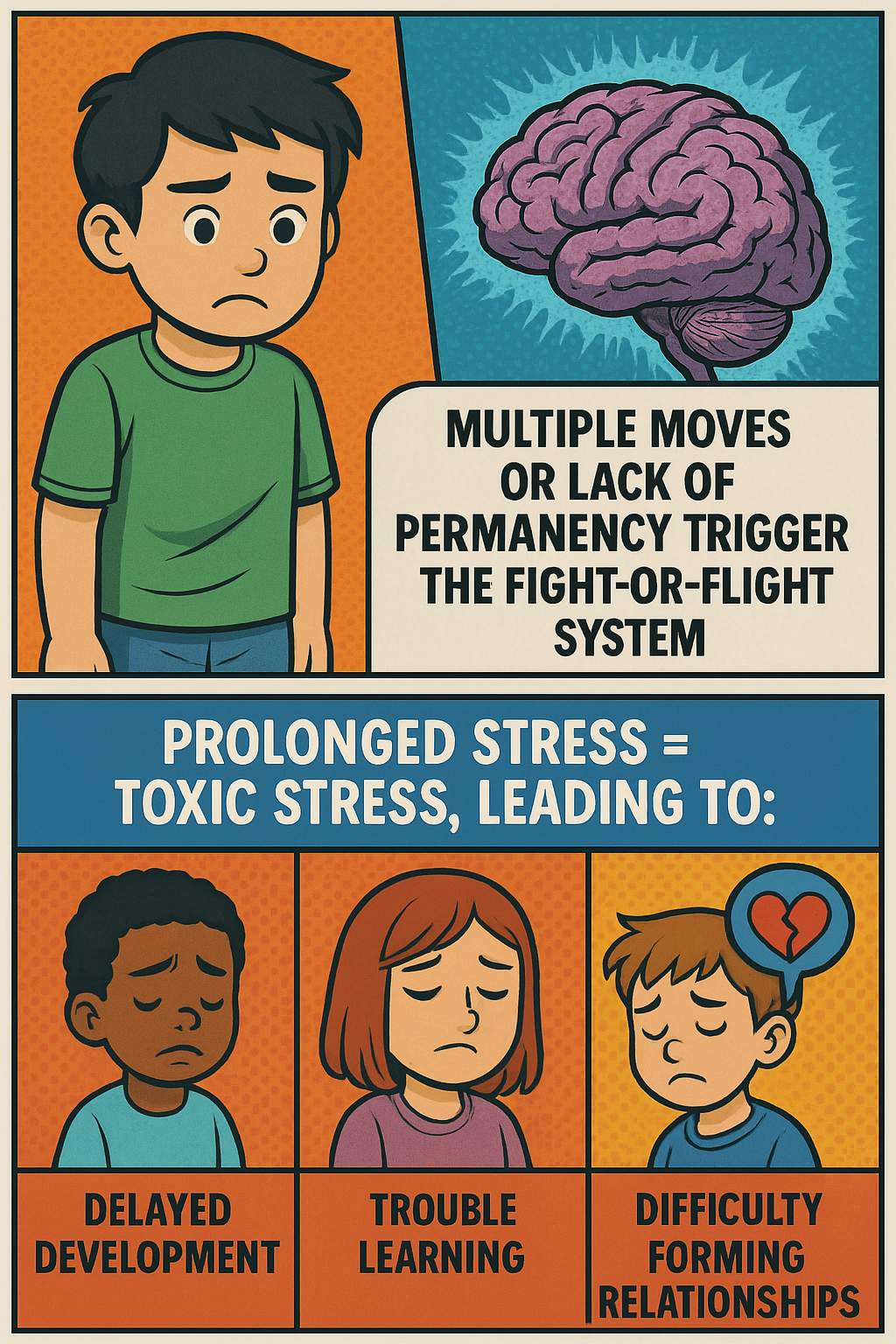
Identify the effects of toxic stress caused by instability or frequent placement changes.
Describe how permanency promotes healing and strengthens emotional and cognitive development.
Analyze how permanency impacts neurological development and long-term outcomes.
Lesson 2: Your Role in Supporting Permanency (Direct Care Focus)
Lesson Content
Describe the daily responsibilities of direct care staff in supporting a child’s permanency plan.
Distinguish between physical placement and emotional permanency.
Practice trauma-informed approaches when managing challenging behaviors during transitions.
Demonstrate empathy, consistency, and calm presence in emotionally charged moments.
Lesson 3: The Power of Predictability
Lesson Content
Explain how consistent routines reduce stress and increase a child’s sense of safety.
Identify the role of predictability in helping children form secure attachments.
Model steady caregiving practices that foster emotional regulation and relational trust.
Reinforce the message of “You can count on me” through daily caregiving actions.