

Description:
Healing Through Relationships, Repetition, and Regulation
Training Summary:
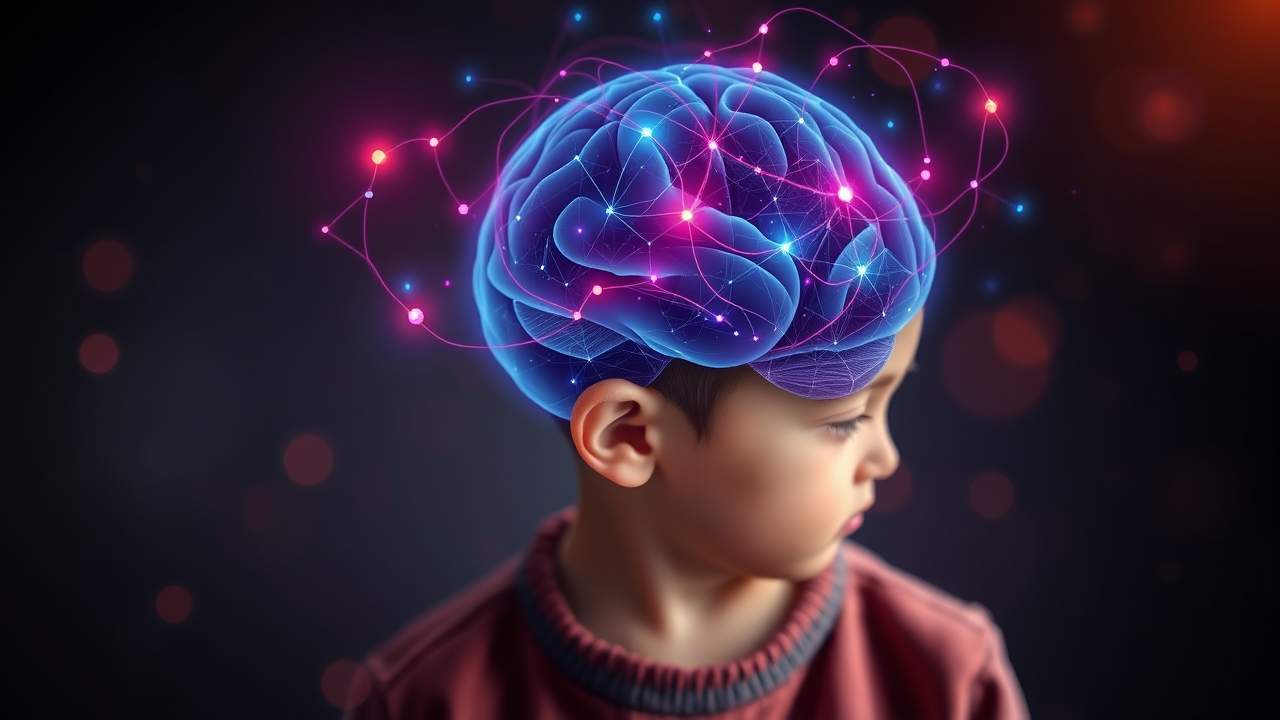
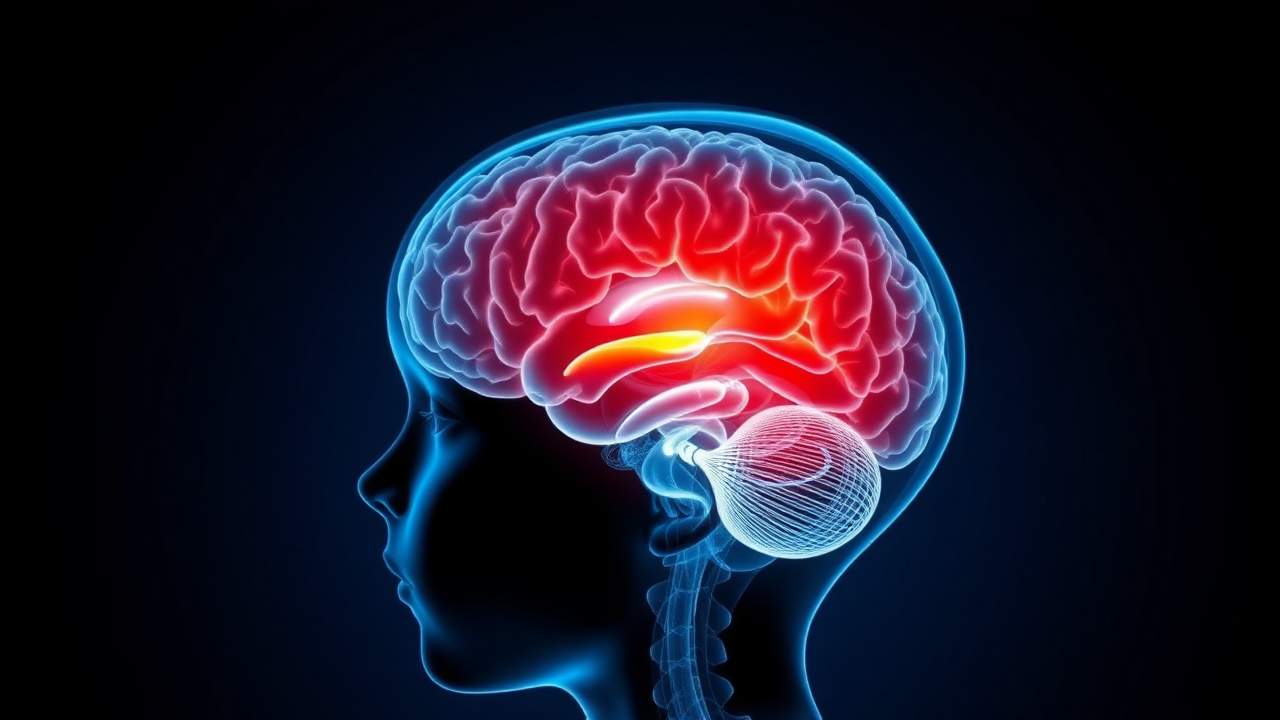
This advanced course deepens participants’ understanding of trauma-informed care by exploring the neuroscience of trauma and healing. Drawing on the work of experts like Dr. Bruce Perry, Dr. Bessel van der Kolk, and Dr. Dan Siegel, it emphasizes how consistent, attuned, and patterned interactions can reshape the developing brain. Caregivers will learn how neuroplasticity, co-regulation, and relational safety contribute to long-term healing. This training empowers professionals to not only respond to trauma but to become part of the healing process through relationships, rhythm, and resilience.
Learning Objectives:
By the end of this training, participants will be able to:
- Describe how trauma and healing impact the developing brain, with reference to neuroplasticity and stress-response systems.
- Explain the importance of repetition, rhythm, and relational safety as key elements of trauma recovery.
- Identify trauma-informed strategies for co-regulation, attunement, and responding to emotional dysregulation in children.
- Reframe child behaviors as adaptive responses to trauma, rather than defiance or manipulation.
- Develop daily practices and rituals that promote felt safety, predictability, and connection for children.
- Apply trauma-informed communication skills that validate, calm, and engage children in emotionally charged moments.
- Construct a caregiver self-regulation plan that supports ongoing emotional resilience and prevents burnout.
- Reflect on personal responses to trauma-related behaviors and identify opportunities to model healing interactions.
v2026.2
Course Content
Lesson 1: The Brain Changes Through Experience – What Trauma and Healing Teach Us
Lesson Content
Explain how trauma alters the brain’s stress-response system and impacts development.
Describe how positive, repeated experiences promote neural healing and growth.
Identify ways safe, consistent relationships can support neuroplasticity in children.
Reframe challenging behaviors as signs of adaptation rather than defiance.
Lesson 2: Repetition and Rhythm – How the Brain Heals Through Pattern
Lesson Content
Recognize how patterned, rhythmic interactions help calm and rewire the brain.
Apply daily rituals that create predictability and a sense of safety for children.
Practice using rhythm, tone, and consistency to promote emotional regulation.
Develop short, repeatable routines that model safety and reliability.
Lesson 3: The Power of Attunement – What Children Hear Beyond Your Words
Lesson Content
Define attunement and explain its role in building trust and co-regulation.
Identify how caregiver tone, posture, and presence influence a child’s emotional safety.
Demonstrate trauma-informed communication strategies that reflect empathy and patience.
Apply attuned responses to common behavioral scenarios.
Lesson 4: Beyond Behaviors – Seeing the Hidden Story
Lesson Content
Recognize behaviors as adaptive responses rooted in past survival strategies.
Interpret behavior through a trauma-informed lens focused on understanding, not fixing.
Identify underlying needs that behaviors may communicate.
Practice responding with curiosity and empathy to promote felt safety.
Lesson 5: Long-Term Caregiver Resilience – The Role of the Adult Brain
Lesson Content
Understand that the caregiver’s regulation directly impacts a child’s healing process.
Recognize signs of vicarious trauma and adopt strategies for vicarious healing.
Develop a personalized caregiver regulation plan to sustain emotional well-being.
Strengthen resilience through boundaries, reflection, and connection with others.